Ai study: Designing faster without compromising craft
A look at how I've integrated AI across the full design process — from research to shipped code — and what it means for the quality and speed of my work.
Role
Product Engineer
Team
Solo
Duration
3 weeks

Why I started tinkering
There's a lot of noise around AI and design. It'll replace you, it'll save you, it'll do your job while you sleep. I ignored most of it until I realised I was spending more time on the boring parts of my process than the actual thinking.
So I started plugging AI into different parts of my workflow — not to move faster for the sake of it, but to see what happened to the quality when I wasn't burning energy on the stuff that didn't need me.
Turns out, quite a lot changes.
The methods
Customer insights into PRDs
Pulling behavioural data from Amplitude and using Claude to synthesise patterns into structured PRD documents in Notion — faster hypothesis formation, better documented rationale.
Brand-led content design
Feeding Claude the brand system to generate on-brand social content at scale — copy, layouts, and creative direction that stays consistent without manual repetition.
Wireframes from conversation
Using the Figma MCP to go from a design brief directly to structured wireframes — reducing the time between idea and visual artifact dramatically.
Fast component variations
Spinning up multiple component states, responsive variants, and edge cases in Figma via MCP — work that used to take hours of manual duplication done in minutes.
Prototypes built to review
Building real, interactive prototypes and presentation-ready websites with Claude Code — stakeholders see something that feels live, not a static mock.
Shipping live pages
Taking Claude Code beyond prototyping — using it to build and ship actual production web pages, closing the gap between design and deployment entirely.


Project overview
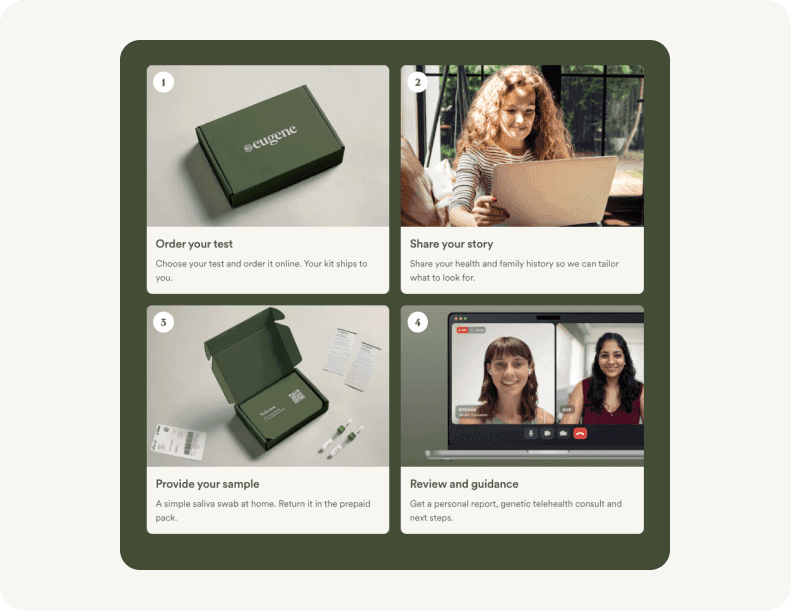
Eugene Labs offers at-home genetic testing across two categories — reproductive carrier screening and preventative health. Despite strong product-market fit, behavioural data showed the homepage was failing to convert: high drop-off rates, frequent back-navigation, and mis-clicks all pointed to the same problem. Users couldn't identify which product was relevant to them, and left without exploring further.
The redesign had two objectives. Structurally, rebuild the page's information architecture to create clear pathways into each product line. Strategically, evolve the brand from a startup aesthetic toward the trusted, clinical-grade positioning the founders were targeting — a shift that, in genetic health, is as commercial as it is visual.
Stage 1 — Research, analytics and session data
The process began with a thorough audit of behavioural data using Amplitude and session recording tools. Rather than relying on assumptions, the goal was to let the data surface where the experience was breaking down.
Key signals included elevated bounce rates on the homepage, high rates of back-navigation shortly after arriving, and scroll depth patterns that suggested users were scanning without finding a meaningful anchor point. Click maps revealed mis-clicks concentrated in the hero area — evidence that users were trying to self-select into a product category but couldn't find a clear mechanism to do so.
This analysis formed the brief: the page needed to do less, more clearly. Two user intents — reproductive health and preventative health — needed to be treated as distinct entry points rather than competing messages sharing the same real estate.
Stage 2 — Wireframe validation
With the structural problems defined, the next step was to test solutions before committing to visual design. Low-fidelity wireframes were built in Figma, these lo-fi frames were imported into Claude and used to generate high-fidelity wireframes.
This accelerated the feedback loop with the founders considerably, allowing visual direction, content hierarchy, and brand tone to be validated in a single round of review rather than across multiple design iterations.
Stage 3 — Image and content production
With the structure approved, attention turned to the visual layer. The existing image library leaned heavily on stock photography — a mismatch for a brand positioning itself as a trusted, clinical-grade product.
Generative AI tools were used to expand the existing asset library. The result is imagery that feels specific to Eugene rather than generic to the category — warmer, more considered, and more aligned with the brand's tone of "medical-grade genetics, human-grade care."

Other projects
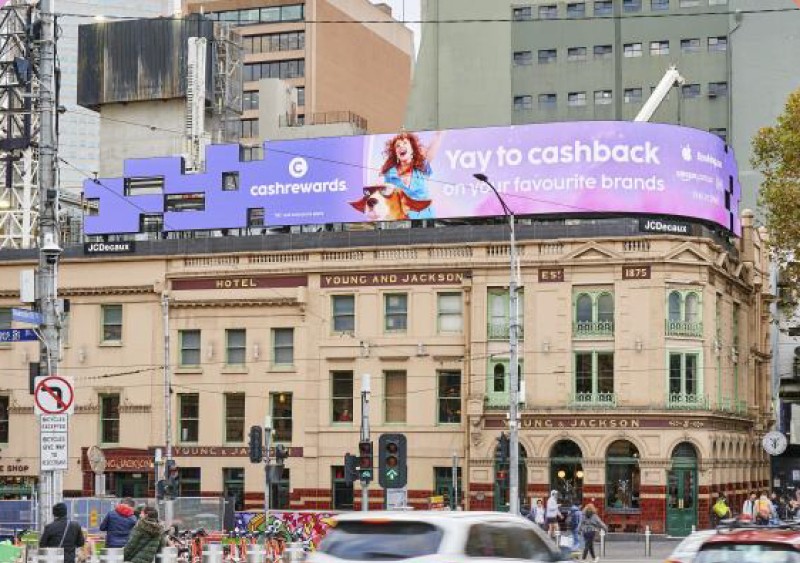
Awareness: Yay to cashback
Elevating Cashrewards’ brand presence through high-impact OOH creative and a data-driven shopper engagement strategy.
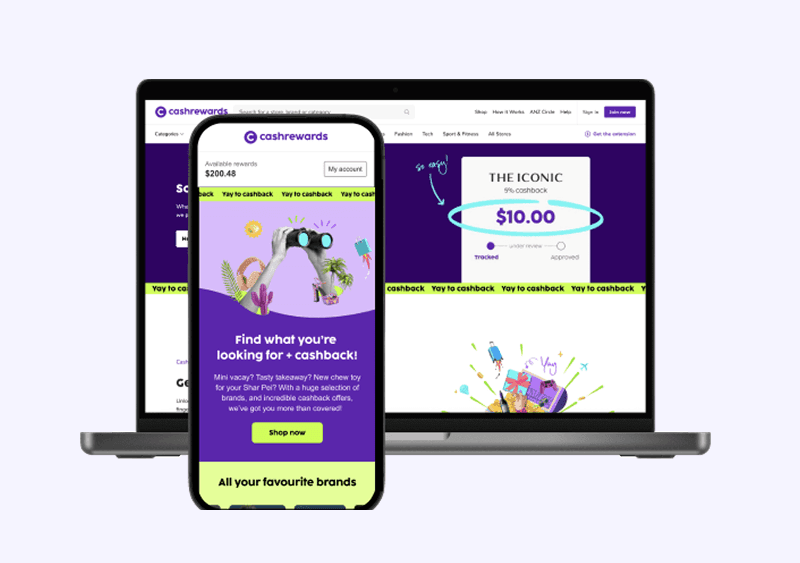
Onboarding: Joyful touchpoints
Elevating Cashrewards’ brand presence through high-impact OOH creative and a data-driven shopper engagement strategy.
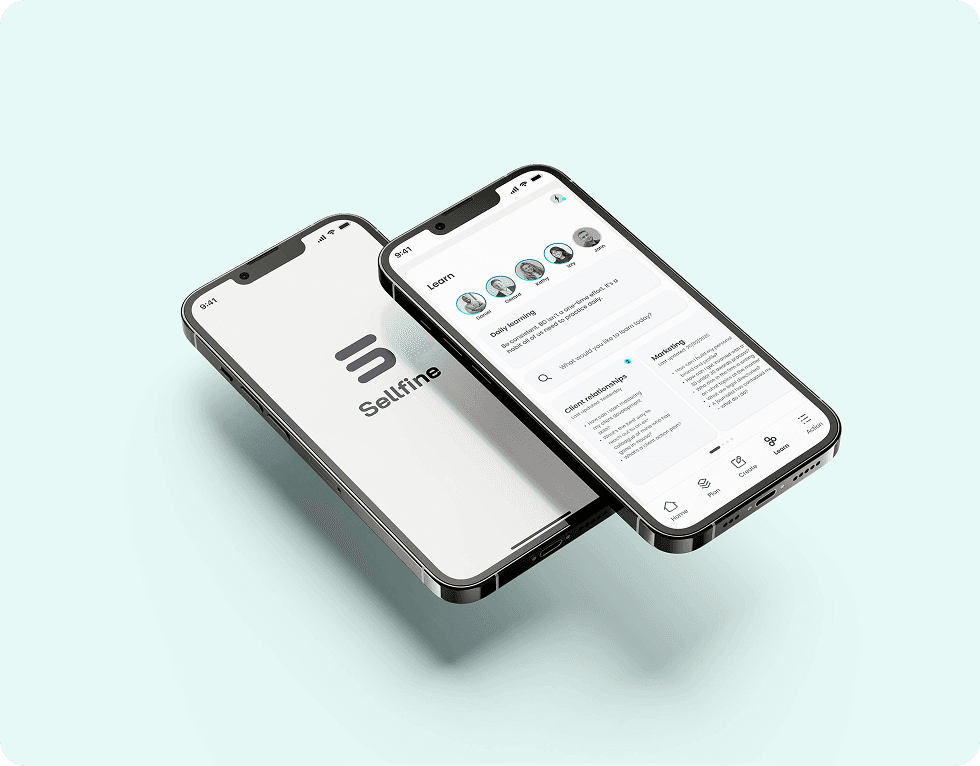
MVP project: Equipping lawyers with business development
Building a legal-tech MVP to help lawyers streamline business development, track leads, and turn relationship-building into a measurable, repeatable process.
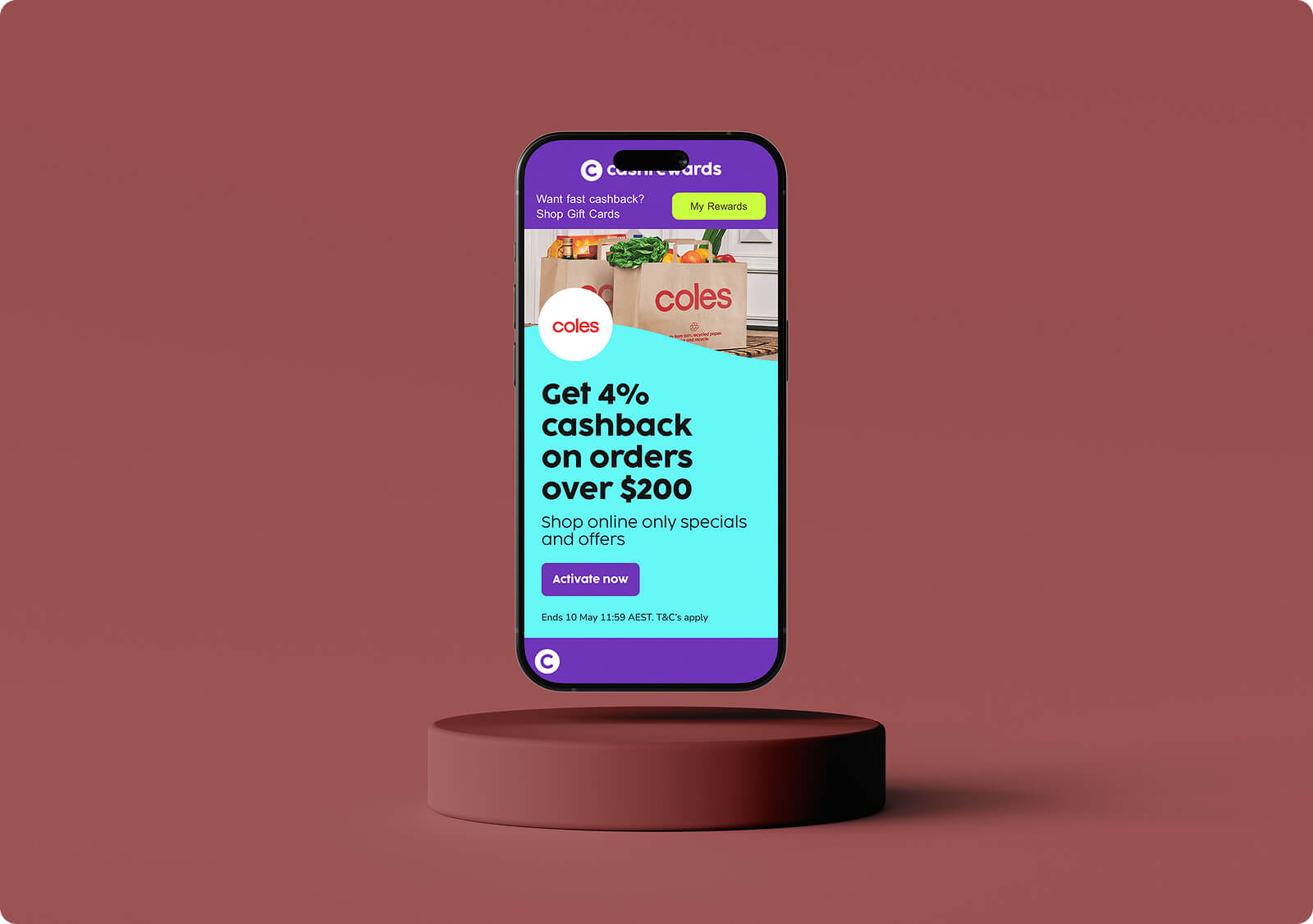
$17k per campaign saved
Transforming Cashrewards’ email marketing engine by designing a scalable, modular eDM system that cut speed to market by 60% and unlocked deeper personalisation.
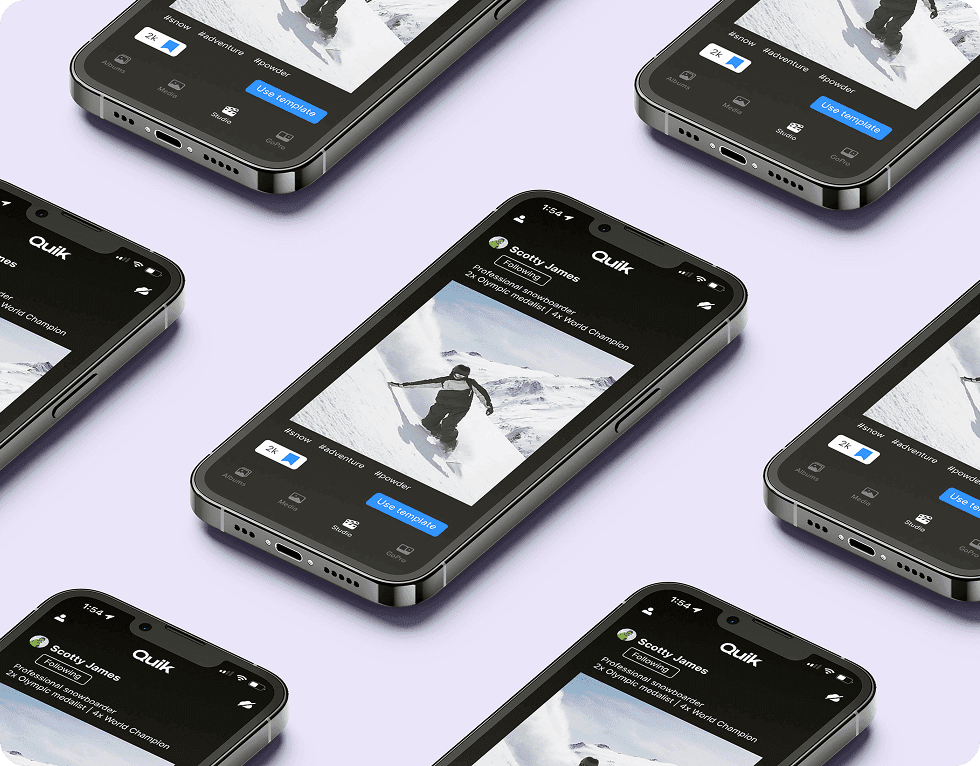
New feature: Connecting like minded adventure creators
Designing a new social-driven feature for GoPro’s editing app that helps creators connect, collaborate, and share their adventures more meaningfully.
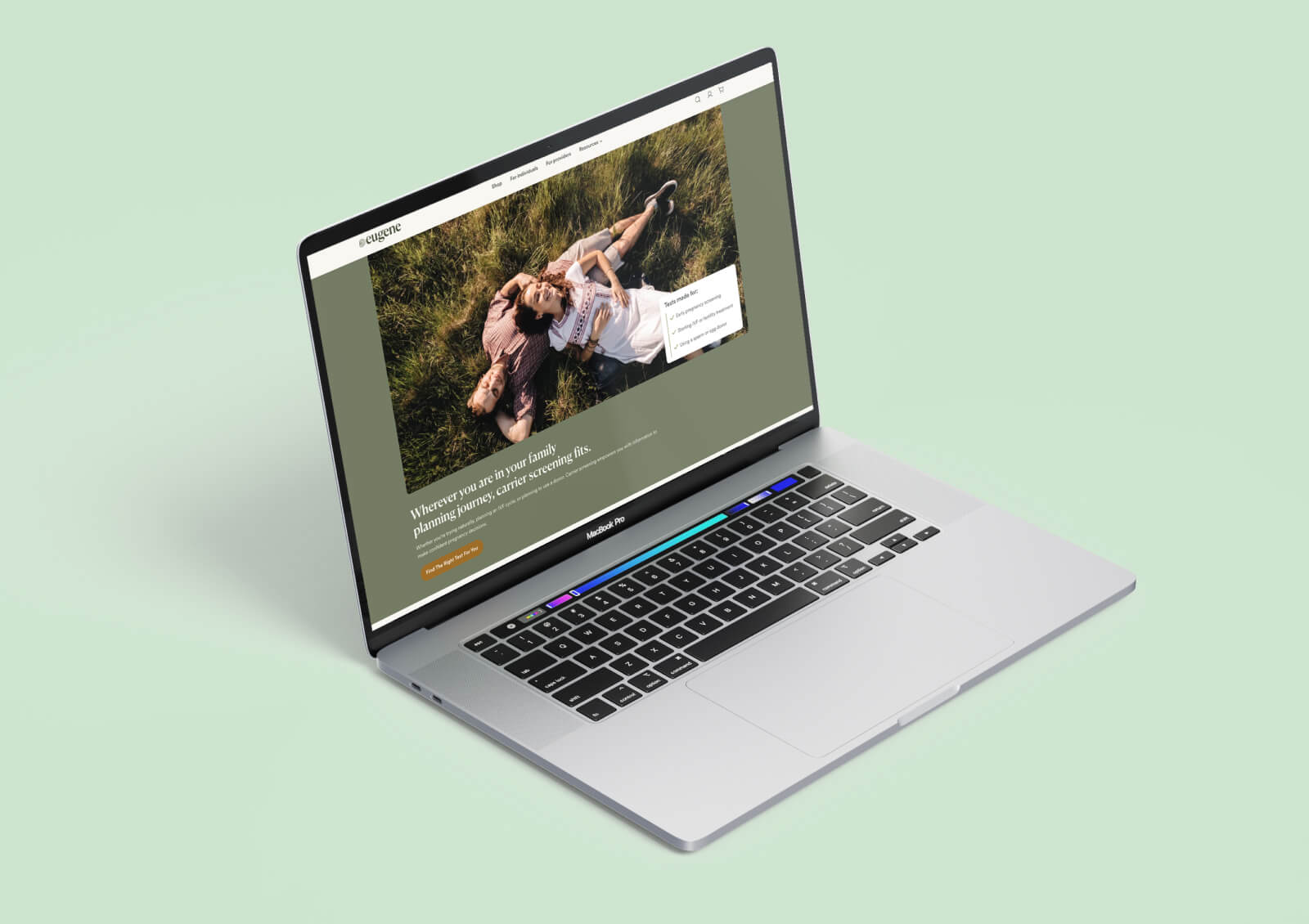
Website Redesign: Turning behavioural data into measurable conversion gains
+8.2% lift on a page that already converted