Website Redesign: Turning behavioural data into measurable conversion gains
+8.2% lift on a page that already converted
Role
UX/UI Designer
Team
Solo
Duration
1 month
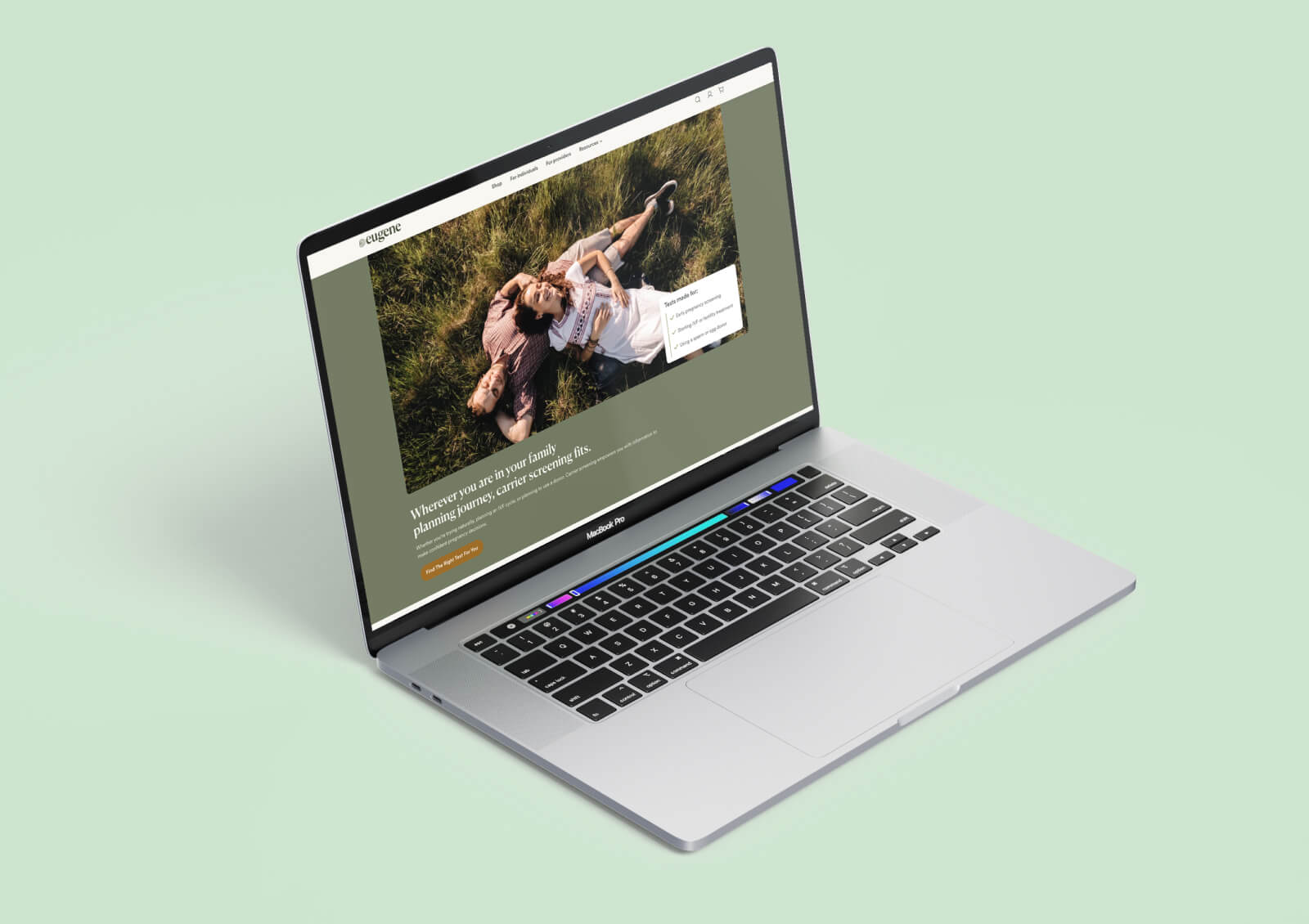
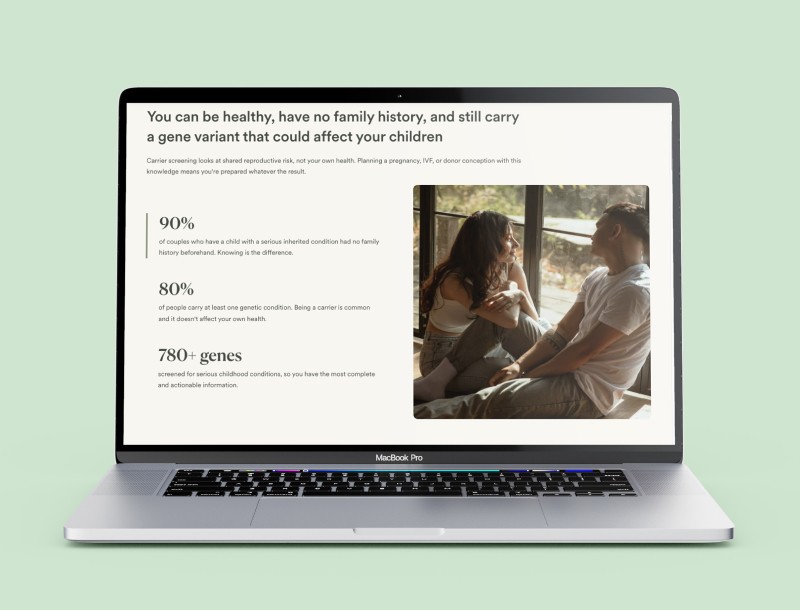
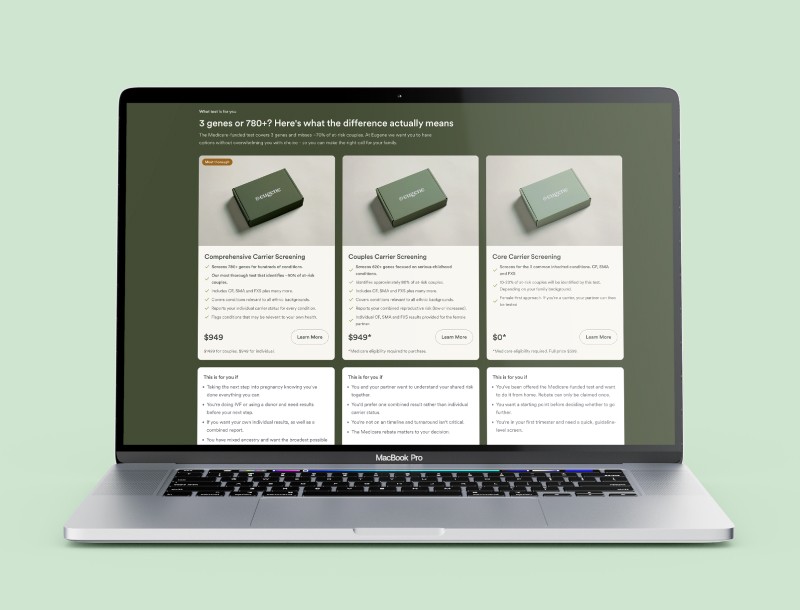
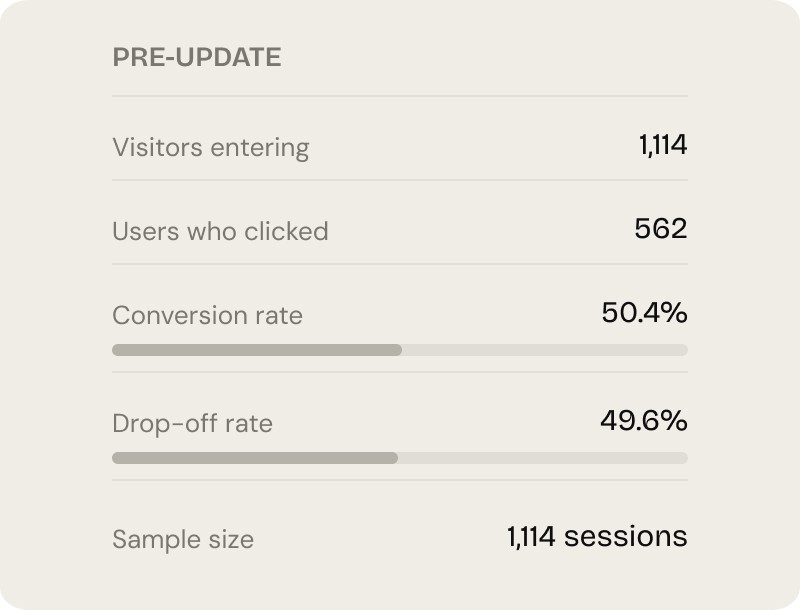
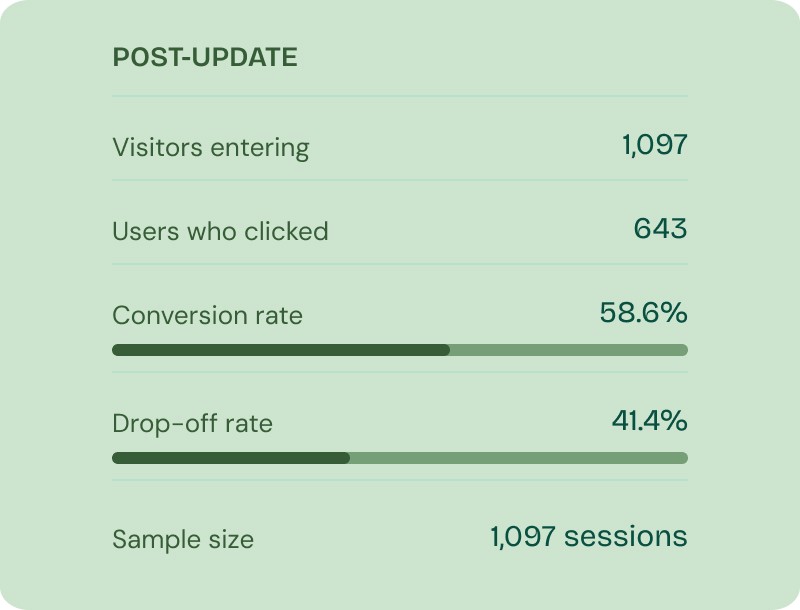
The page was already converting at 50.4% — not broken, but leaving measurable intent on the table. The update shifted that to 58.6%, an 8.2 percentage point lift on a comparable visitor sample of over 2,200 sessions. That translates to 81 more users clicking through per window — without touching ad spend or traffic volume. The drop-off rate fell by the same margin, from 49.6% down to 41.4%. The consistency between the two figures matters: the same users who stopped dropping off became the users who clicked. That's a behavioural shift, not a statistical coincidence.
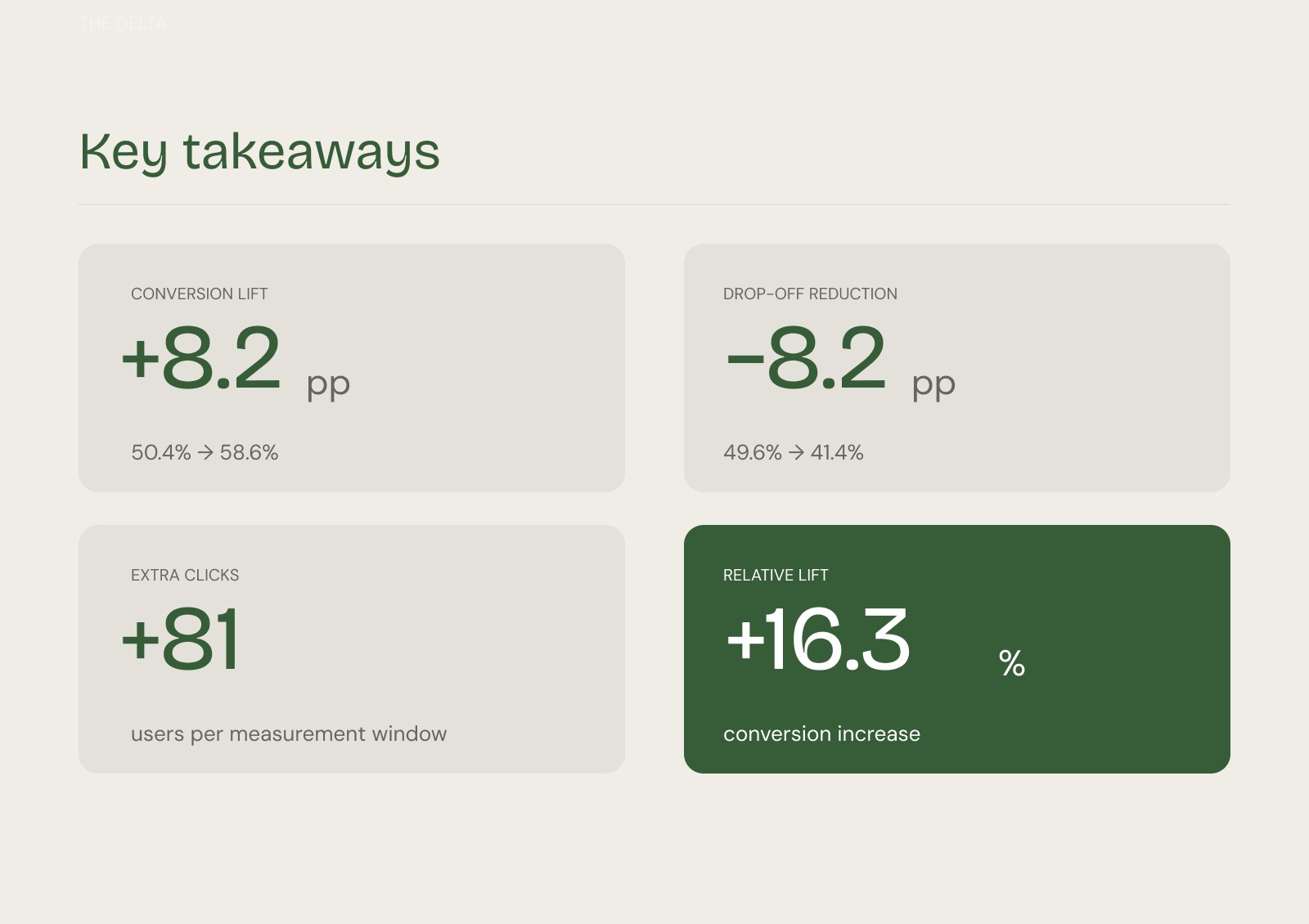
Business impact
Conversion gains on a page that already works are harder to find than fixing something broken. There's no obvious error to remove — just friction subtle enough that users don't notice it, but measurable enough that Amplitude does.
The 8.2 point lift came from closing that gap: tightening hierarchy, clarifying the next action, and removing the hesitation points the data flagged. Not a redesign — a targeted intervention. The AI-assisted process compressed what would typically be a multi-week cycle into something significantly faster.
Research, wireframing, and build happened in sequence without handoffs — which meant decisions stayed connected to the evidence that motivated them. The result is a page that converts more of the intent that was already there. No additional traffic. No increased spend. Just more of the right users taking the next step.
Other projects

Ai study: Designing faster without compromising craft
A look at how I've integrated AI across the full design process — from research to shipped code — and what it means for the quality and speed of my work.
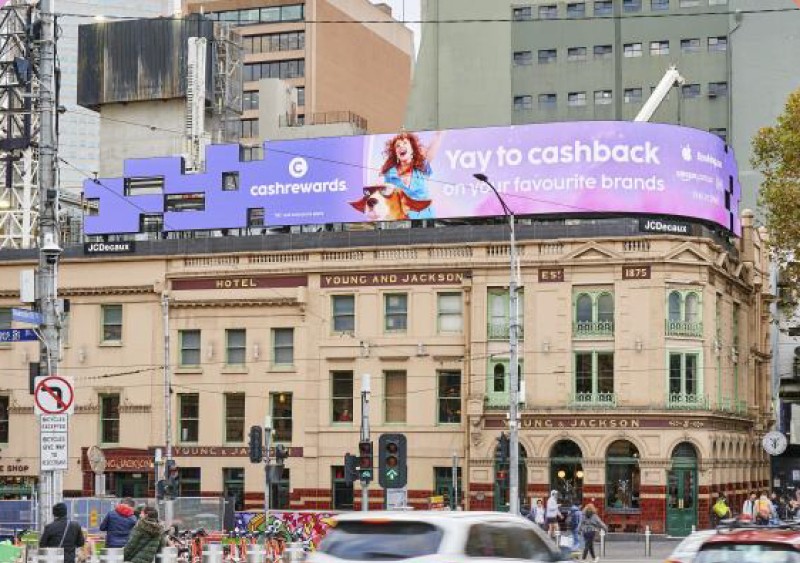
Awareness: Yay to cashback
Elevating Cashrewards’ brand presence through high-impact OOH creative and a data-driven shopper engagement strategy.
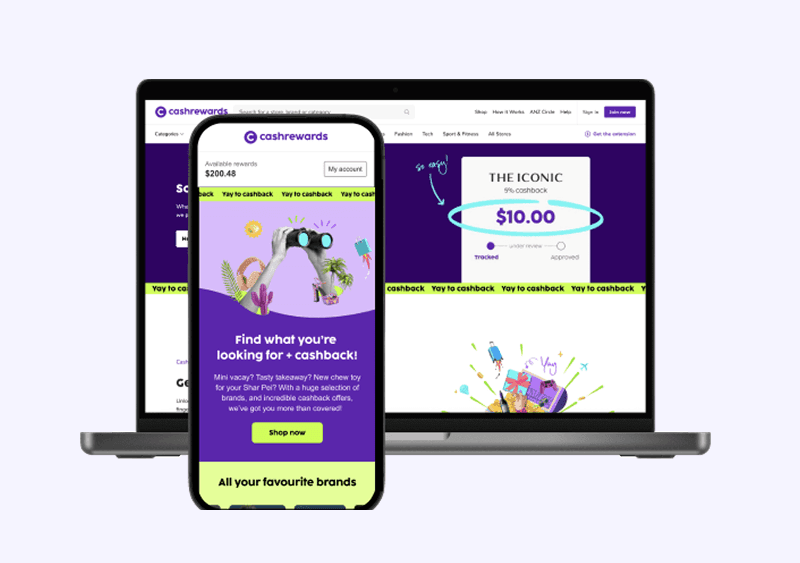
Onboarding: Joyful touchpoints
Elevating Cashrewards’ brand presence through high-impact OOH creative and a data-driven shopper engagement strategy.
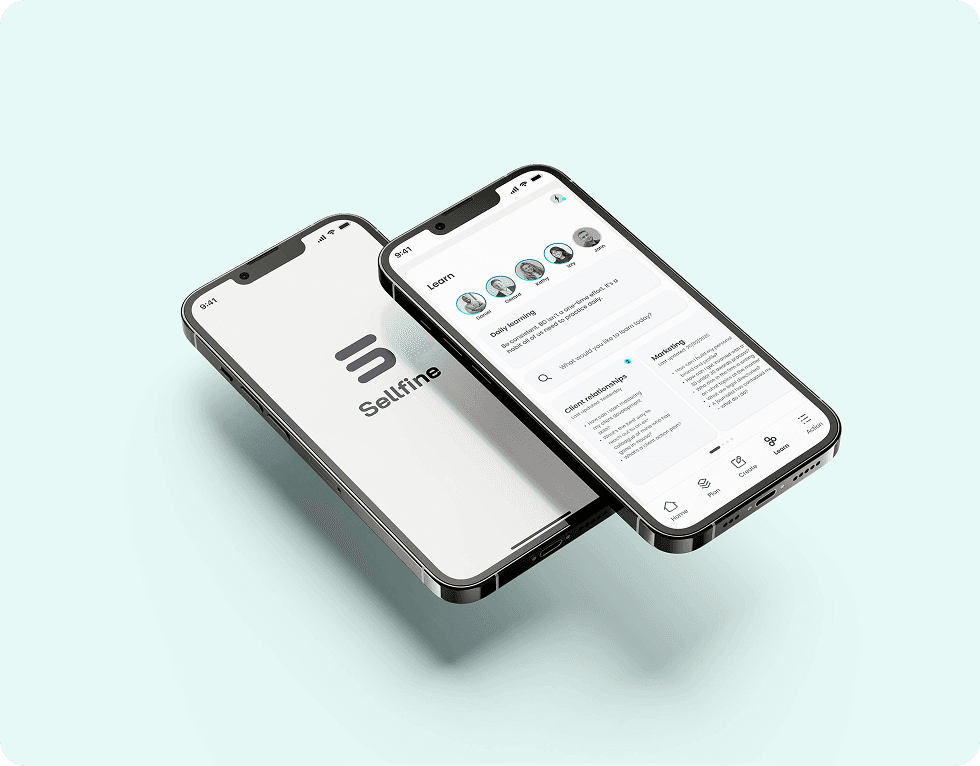
MVP project: Equipping lawyers with business development
Building a legal-tech MVP to help lawyers streamline business development, track leads, and turn relationship-building into a measurable, repeatable process.
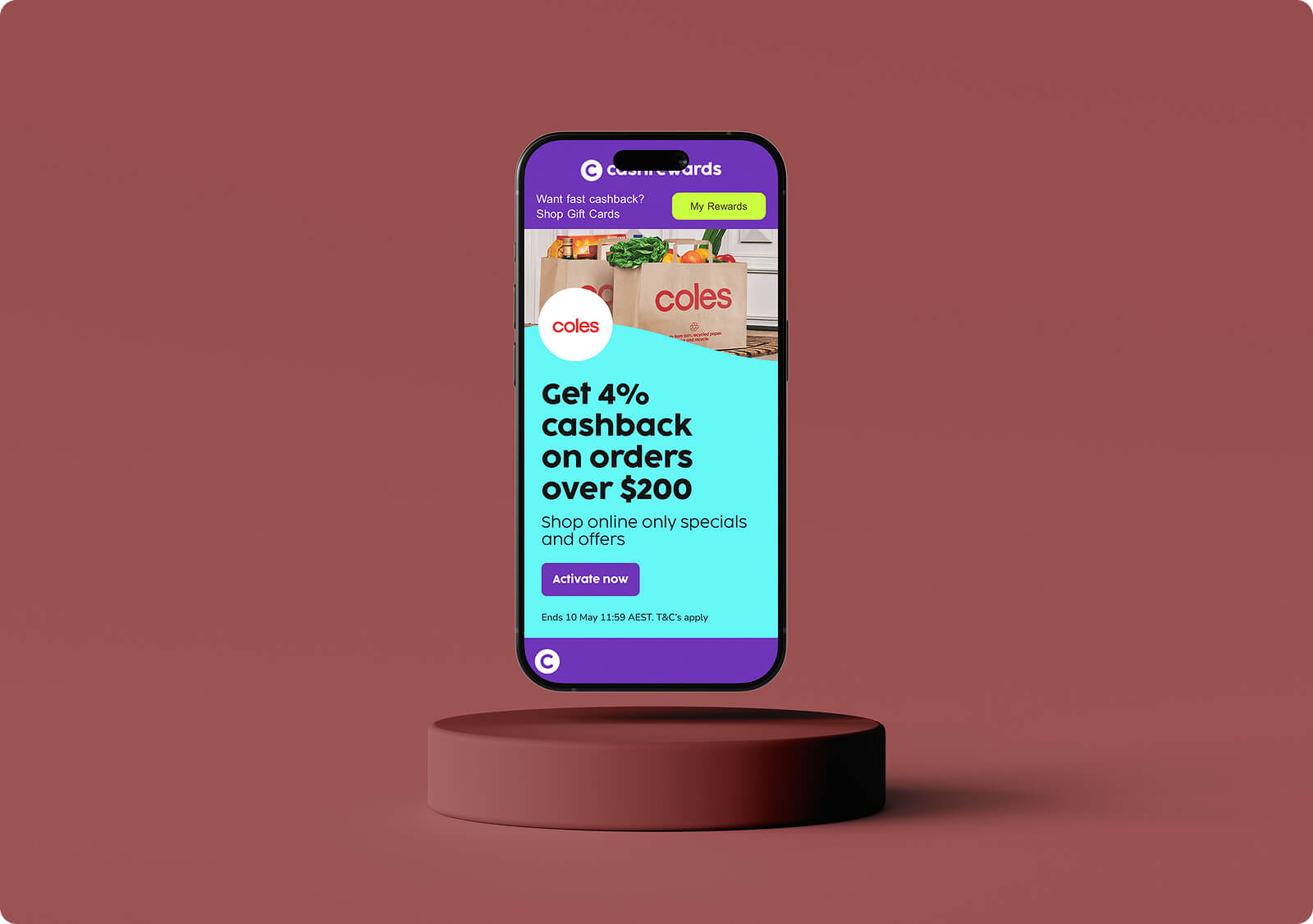
$17k per campaign saved
Transforming Cashrewards’ email marketing engine by designing a scalable, modular eDM system that cut speed to market by 60% and unlocked deeper personalisation.
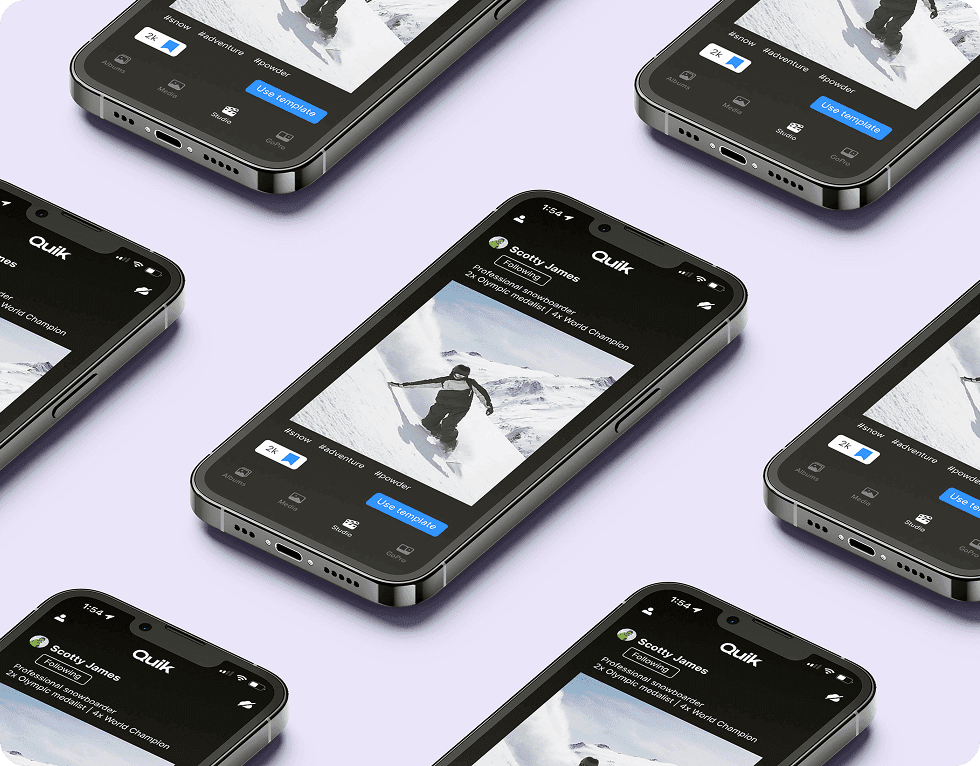
New feature: Connecting like minded adventure creators
Designing a new social-driven feature for GoPro’s editing app that helps creators connect, collaborate, and share their adventures more meaningfully.